Portfolio
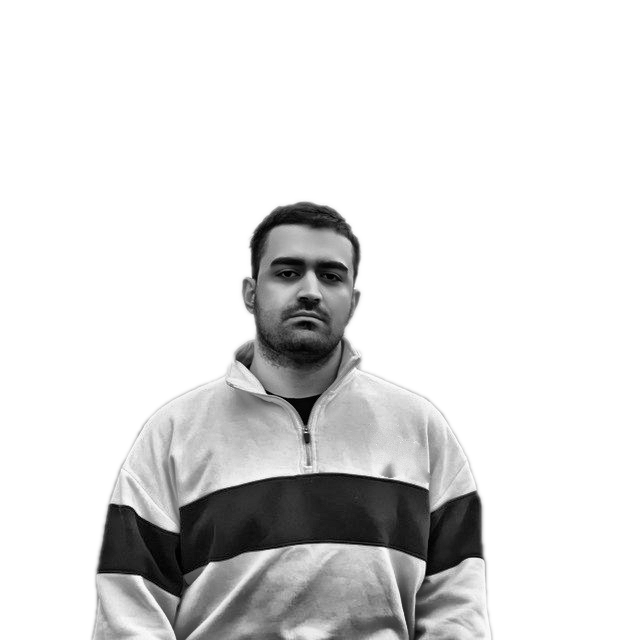
Alireza Alikhani
Researcher in artificial intelligence and neuroscience
Tehran MMXXVI
Chapter the first
About
Nowa
I am an MSc candidate in Artificial Intelligence and Robotics at Khatam University in Tehran. I want to know how networks of spiking neurons can keep learning over a long stream of tasks with only the signals they can reach: no backpropagation and no replay.
Beforeb
Before the modelling I worked at the bench. I hold a BSc in cellular and molecular biology and worked in two Tehran labs on in vivo surgery and electrophysiology, in rodents and in songbirds. That is where my questions come from.
Nextc
I am looking for a PhD position in computational neuroscience or brain-inspired machine learning, starting between spring and September 2027.
| MSc grade average, coursework complete | 17.64 of 20 |
|---|---|
| Stereotaxic surgeries for research projects | 200+ |
| Thesis due | early 2027 |
| Available from | spring 2027 |
| Languages | Persian, English |
Plate I
Common sense, imagination and memory, each lodged in its own cell of the brain. The scheme owes much to Ibn Sina’s account of the inner senses.
Gregor Reisch, Margarita Philosophica, Freiburg, 1503
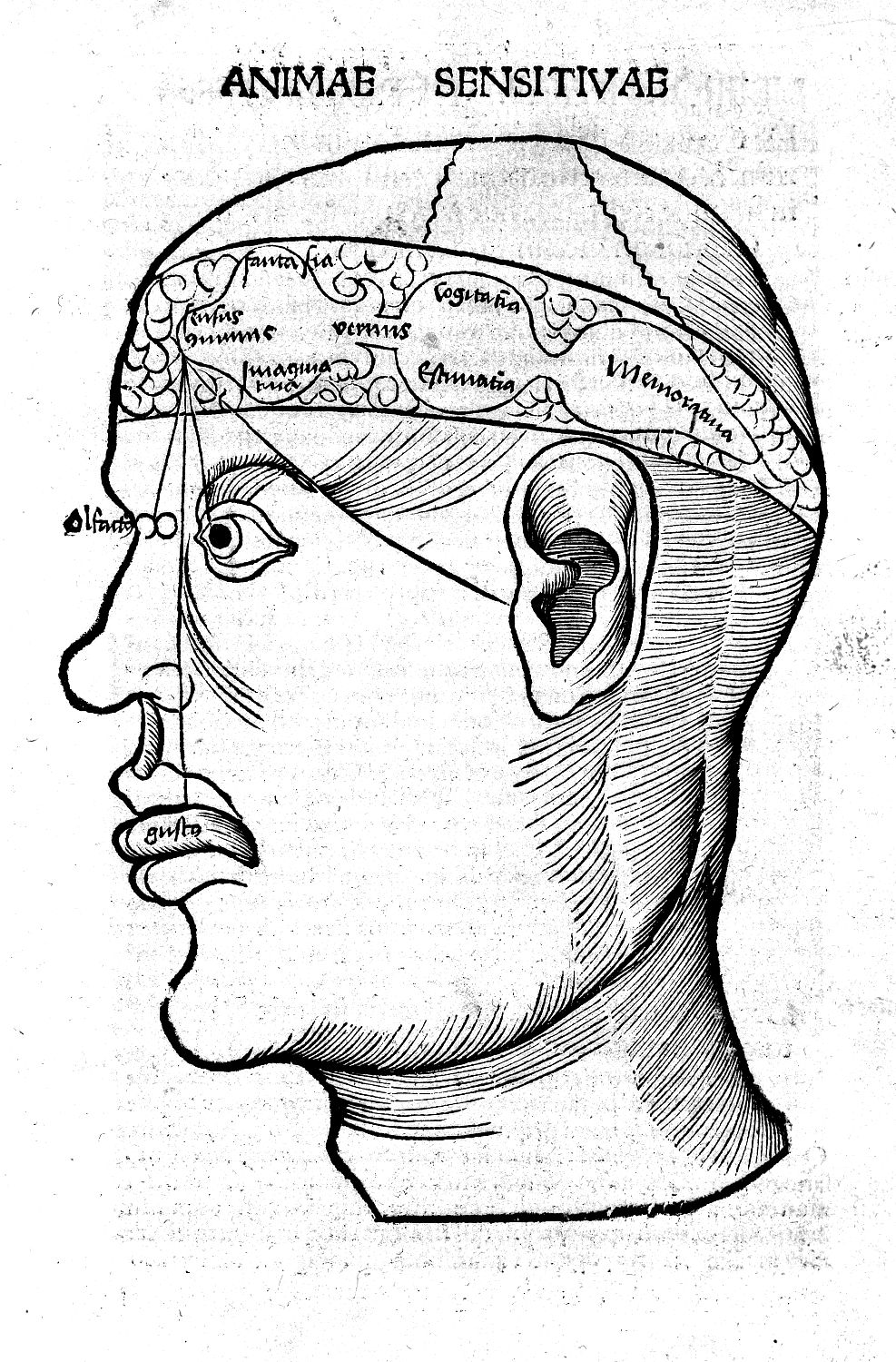
Plate I
The inner senses
Chapter the second
Background
The bencha
I started at the bench. At the Iranian National Center for Addiction Studies I did 200+ stereotaxic surgeries for research projects and trained new students, until COVID-19 closed the lab before my own dataset was finished. I used the closure to learn programming and worked as a backend developer on a national payment switch.
The modelb
Then I went back to neuroscience at IPM in Tehran, where I helped set up a songbird electrophysiology lab and implanted recording headstages in zebra finches. Since 2024 I have studied artificial intelligence, taught machine learning as a teaching assistant, and built the computational side of my research. Every closure pushed me toward the work that could continue.
| Education | |
|---|---|
| 2024 to now | MSc, Artificial Intelligence and RoboticsKhatam University, Tehran |
| 2018 to 2023 | BSc, Cellular and Molecular BiologyIslamic Azad University, Central Tehran Branch |
| Research | |
| 2024 to 2025 | Research assistant, in vivo electrophysiologyIPM, School of Cognitive Sciences, Tehran |
| 2019 to 2020 | Research assistant, surgery and behaviourIranian National Center for Addiction Studies, Tehran |
| Teaching | |
| 2025 | Teaching assistant, Statistical Pattern RecognitionKhatam University |
| 2024 | Teaching assistant, Machine LearningKhatam University |
| Industry | |
| 2021 to 2022 | Backend developerAvreen Smart Solutions, Tehran |
| 2020 to 2021 | CEOVista Mehr, family company |
| Training | |
| 2024, 2025 | Neuromatch AcademyComputational Neuroscience, then NeuroAI |
In full
Download the full CVPlate II
One of the first full-body anatomical figures from the Islamic world, with the nerves traced in coloured inks.
Mansur ibn Ilyas, Tashrih-i badan-i insan, Shiraz, about 1390; from a later copy
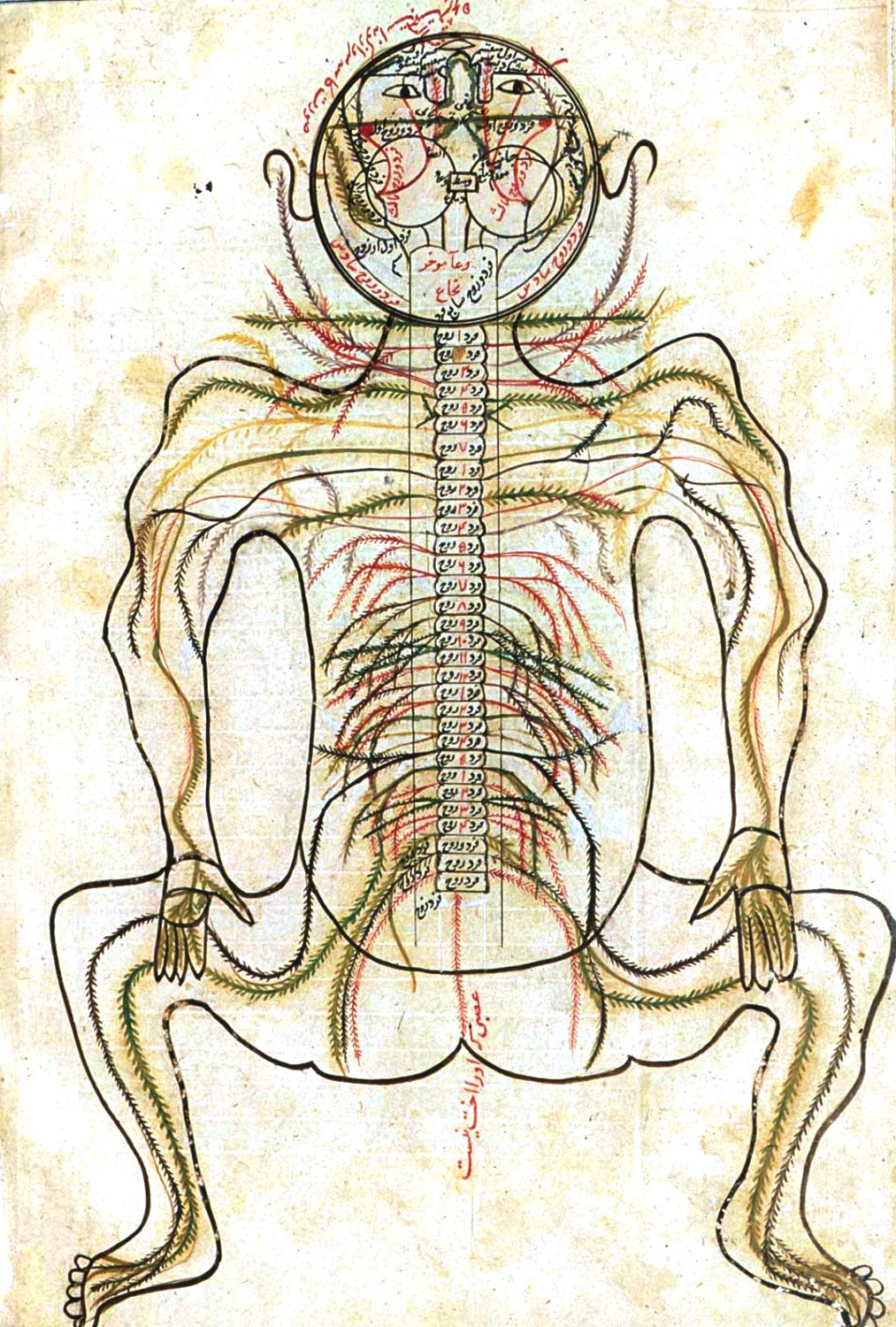
Plate II
The nervous system
Chapter the third
Research
The questiona
How do neurons keep learning with only local signals? I work on that question in spiking neural networks and in reinforcement learning, with controls and many seeds.
Interestsb
- § 1Credit assignment without backpropagation.
- § 2Homeostasis and loss of plasticity over long task streams.
- § 3Spiking networks and reinforcement learning.
- § 4Longer term: learning signals that go wrong, as in chronic pain.
Stimulus
Rate0per second
Papersc
Write-ups and code are available on request, and on GitHub.
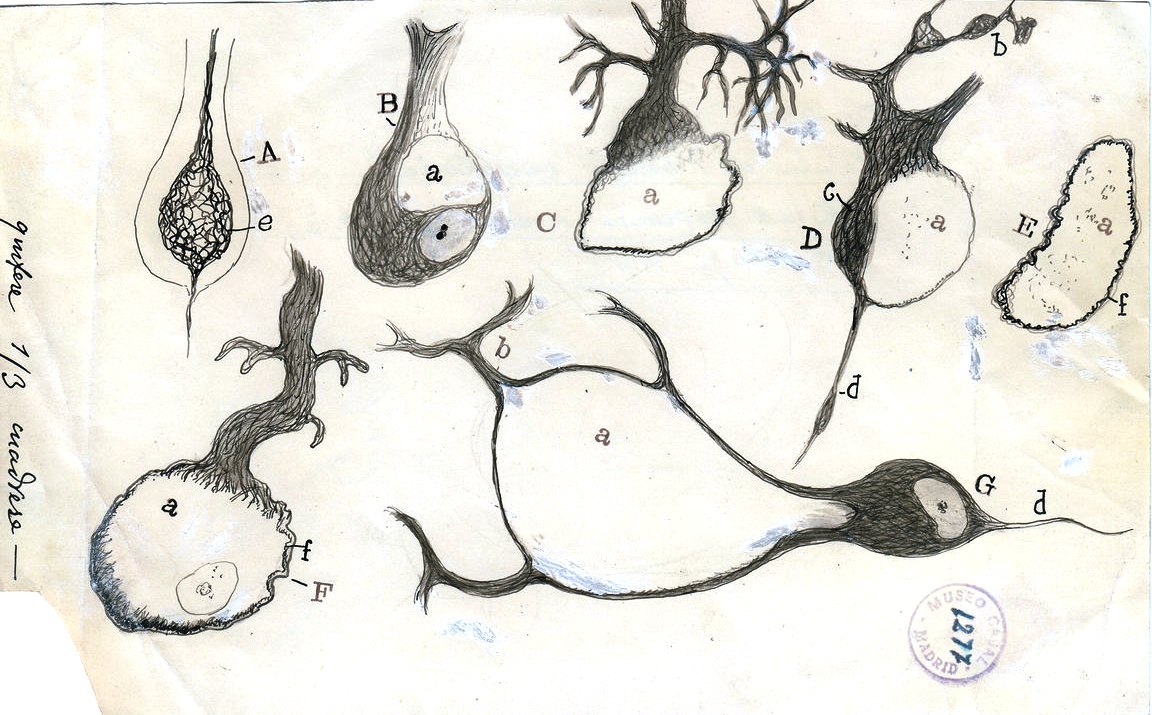
Plate III
Frog legs wired to the sky twitch when lightning strikes: an early sign that nerve and muscle run on electricity.
Luigi Galvani, De viribus electricitatis in motu musculari, Bologna, 1791
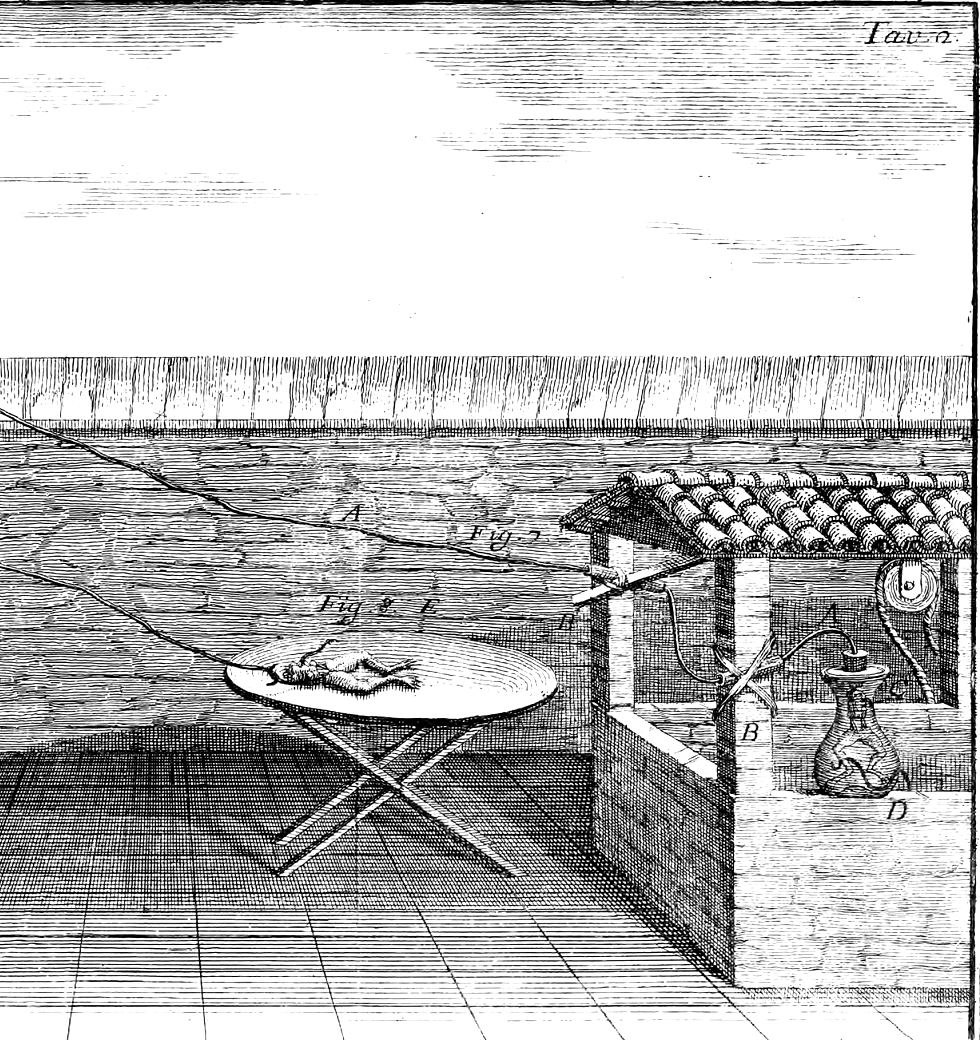
Plate III
Animal electricity
Chapter the fourth
Websites
The crafta
Alongside research I design and build websites for clients: hand-built pages that load fast, read well on a phone and move the way this one did when it opened.
What I buildb
- Company siteswho you are, what you offer
- Portfoliosyour work, shown well
- Landing pagesone page with one goal
- Intro animationslike the one on this page
Demosc
Client work stays private, so I show demos on request.
Ask for a demoPlate IV
The coats and humours of the eye and the optic nerve behind it, after the Book of Optics, written around 1020.
Ibn al-Haytham (Alhazen), from a 16th-century Latin printing
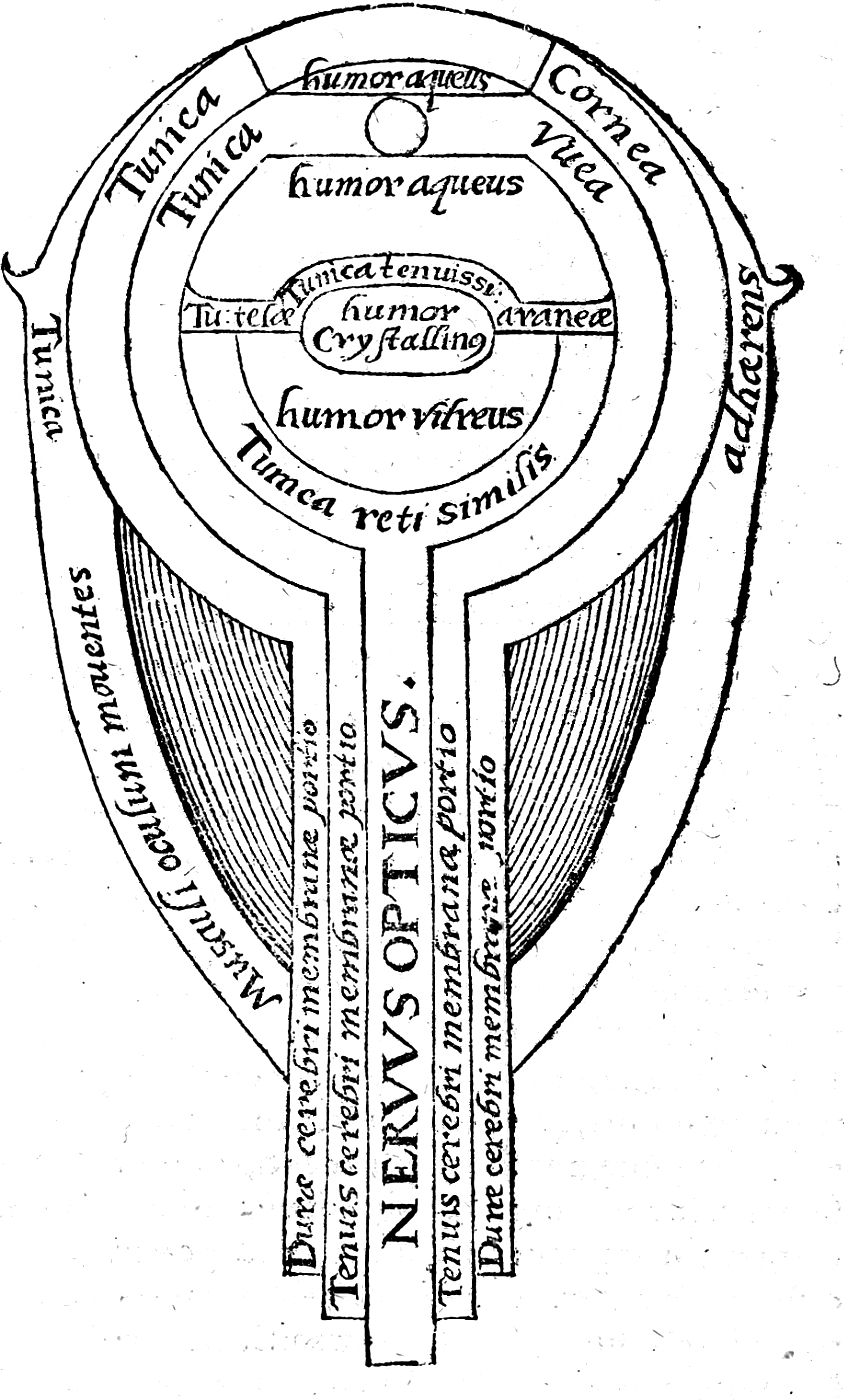
Plate IV
The eye
Chapter the fifth
Contact
Correspondencea
Address correspondence about a PhD position, a project or a website to
alireza1379alikhani@gmail.comElsewhereb
- GitHubalikhaniaa
- LinkedIna-alikhani
- Curriculum vitaePDF
- Based inTehran, Iran
Plate V
Light enters the eyes, the message crosses the brain, and the arm points: an early picture of a signal travelling through a nervous system.
René Descartes, Treatise of Man, printed in 1664
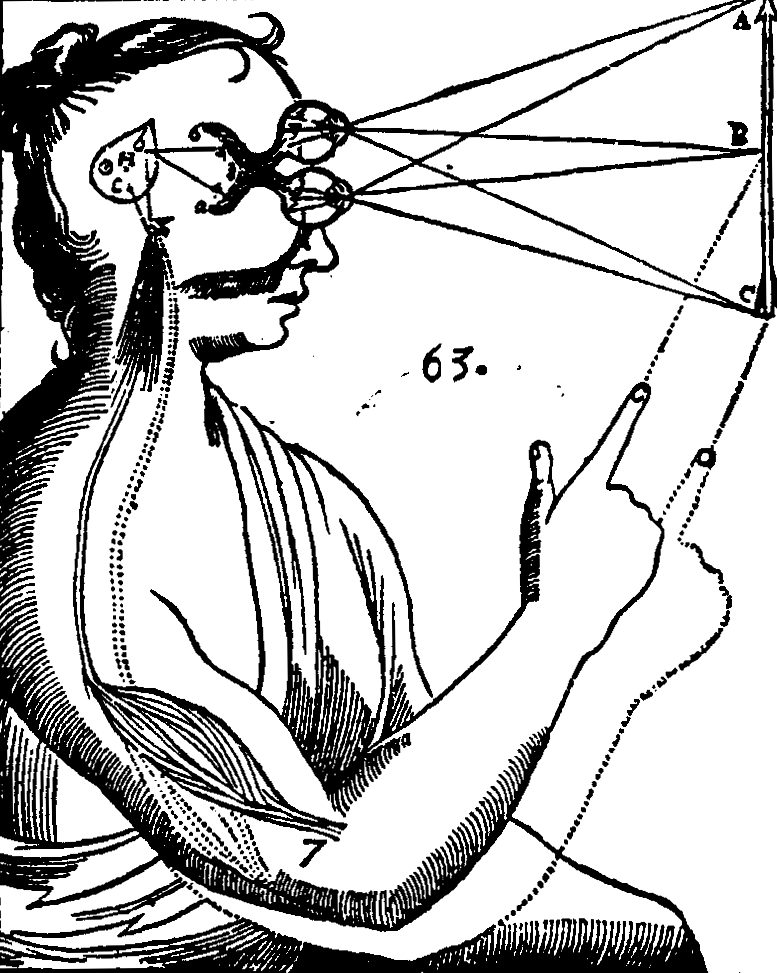
Plate V
From sight to gesture